
What Happens If My Miranda Rights Are Violated and How Can an Attorney Help?

When someone is arrested or questioned by the police, many wonder what happens if the officer fails to read their Miranda rights. A common misconception is that if the police do not inform you of these rights, the entire case against you is automatically dismissed. This is not true. Understanding what Miranda rights are, when they apply, and what happens if they are violated can help you protect your rights and build a strong defense.
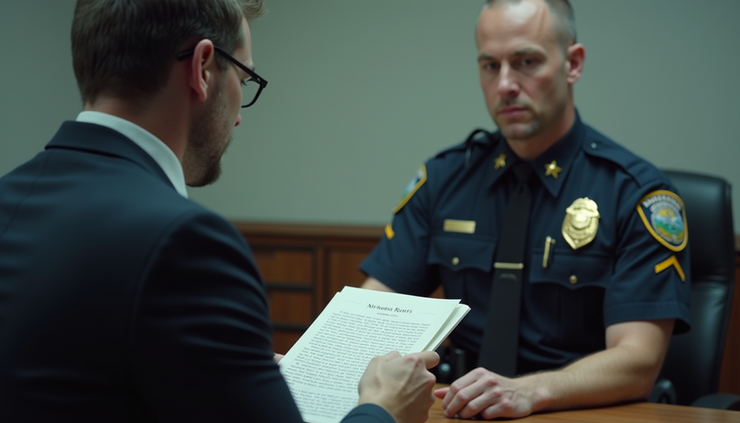
What Are Miranda Rights?
Miranda rights are a set of warnings that law enforcement officers must give to individuals before conducting a custodial interrogation. These rights inform you that:
You have the right to remain silent.
Anything you say can be used against you in court.
You have the right to an attorney.
If you cannot afford an attorney, one will be provided for you.
These warnings come from the 1966 U.S. Supreme Court case Miranda v. Arizona, which aimed to protect suspects from self-incrimination during police questioning.
When Do Miranda Rights Apply?
Miranda rights only apply during custodial interrogation. This means two conditions must be met:
Custody: A reasonable person would not feel free to leave. For example, if you are formally arrested or otherwise deprived of your freedom in a significant way.
Interrogation: Law enforcement officers ask questions or make statements likely to elicit an incriminating response.
If you are not in custody or not being interrogated, the police do not have to read you your Miranda rights.
What Happens If the Police Fail to Read Your Miranda Rights?
If you were in custody and subjected to interrogation but the police did not read you your Miranda rights, the main consequence is that any statements or confessions you made during that interrogation cannot be used against you in court. This is called the exclusionary rule.
However, this does not mean the case is dismissed automatically. The prosecution can still use other evidence that was obtained legally, such as physical evidence, eyewitness testimony, or statements made before custody.
Example
Imagine you were arrested and questioned without being read your rights. You confessed to a crime during that questioning. Later, your attorney files a motion to suppress that confession. If the court agrees the confession was obtained without proper Miranda warnings, the confession is excluded from evidence. But if the police found physical evidence linking you to the crime independently, the case can still proceed.
What Is the Remedy for a Miranda Violation?
The remedy for a Miranda violation is usually a motion to suppress the statements made during the custodial interrogation. This motion asks the court to exclude those statements from evidence at trial.
Filing a motion to suppress is a legal process that requires:
Understanding the facts of your case.
Knowing when and how Miranda rights apply.
Presenting legal arguments to the court.
This is why having an experienced attorney is crucial.

How Can an Attorney Help If Your Miranda Rights Are Violated?
An attorney plays a key role in protecting your rights when Miranda warnings are not given properly. Here’s how:
Evaluate the circumstances: Your attorney will determine if you were in custody and interrogated, which triggers the need for Miranda warnings.
File a motion to suppress: If your rights were violated, your attorney will file a motion to exclude any statements made without proper warnings.
Negotiate with prosecutors: Sometimes, excluding statements can lead to better plea deals or even dismissal if the prosecution’s case weakens.
Prepare your defense: Your attorney will build a defense strategy that does not rely on the suppressed statements.
Why You Should Act Quickly
Miranda issues are time-sensitive. Courts expect motions to suppress to be filed early in the case. Waiting too long can weaken your position or cause you to lose the chance to exclude evidence.
If you believe your rights were violated, contact an attorney as soon as possible to protect your case.
Key Takeaways
Miranda rights must be read during custodial interrogation.
Failure to read these rights means statements made during interrogation may be excluded from evidence.
The case is not automatically dismissed if Miranda rights are violated.
An attorney is essential to file a motion to suppress and protect your rights.
Acting quickly improves your chances of a favorable outcome.
Understanding your Miranda rights and how violations affect your case can make a significant difference. If you face criminal charges and believe your rights were not respected, seek legal advice immediately. A skilled attorney can help ensure your voice is heard and your rights are defended.
Get help with your case today. Contact Casagrande Law at (407) 502-0607.
Attorney Grace Casagrande, Casagrande Law
The information provided in this blog post is for general informational purposes only and does not constitute legal advice. Accessing or reading this post does not create an attorney-client relationship between you and Casagrande Law. Every case is unique, and you should consult with a qualified attorney licensed in your jurisdiction regarding your specific legal situation.


Comments